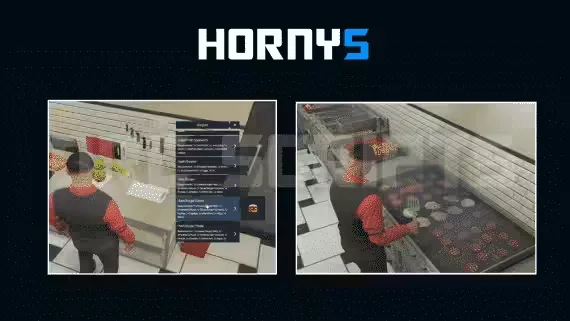
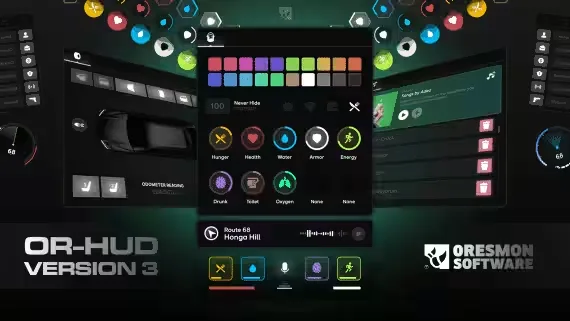

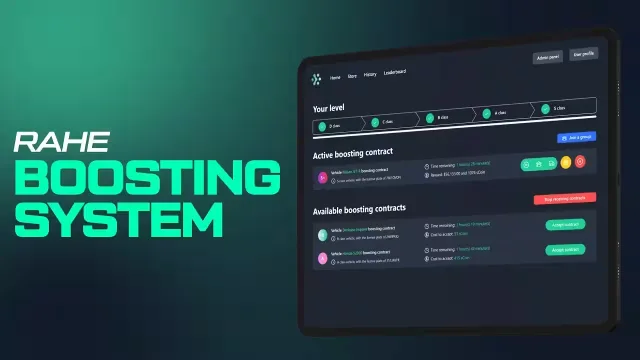
QBCore runs a large share of the FiveM roleplay scene, and this category collects 149 scripts built for it. You will find gang systems with territory capture and turf wars, the kind of graffiti tools that tag a zone as claimed, plus jobs, economy resources, HUDs, and the smaller utilities that quietly hold a server together. Every resource here speaks to QBCore natively through its shared objects, exports, and player metadata, so money handling and item logic run the way qb-core expects instead of leaning on a bridge.
The reason to buy these rather than stitch together random free releases is behaviour at player count. A gang script that recalculates territory ownership or redraws graffiti every frame will eat your server TPS the moment thirty players log in and start fighting over turf. The scripts gathered here are chosen because they stay light under that load and expose what they do in config.lua, so you can retune payout rates, cooldowns, and zone counts without editing core logic.
What to look for in QBCore Scripts
- Resmon under load: idle numbers look good on an empty server. Ask what a script sits at while its systems are actually running, a gang war in progress or twenty players inside a job loop, and treat anything above 0.5ms in active use as something to question.
- Config depth: a real premium script puts jobs, item names, payout values, timers, and zone coordinates in
config.lua. If you have to open the client Lua to change a price, the script is fighting you. - Server-side validation: money, items, and gang membership must be confirmed server side. Scripts that trust the client for rewards are how servers get duped and drained, so look for logic that never grants value from a client event alone.
- ox_lib and ox_inventory support: much of the current QBCore ecosystem has moved to ox_lib menus, ox_target, and ox_inventory. Scripts that use them feel consistent with the rest of a modern server and skip the older qb-menu and qb-inventory dependencies.
- Escrow vs open source: escrow protects the seller but blocks you from fixing conflicts or reading how a system works. Open source gives you full control. Neither is wrong, but know which one a product ships as before you buy.
- Clear dependencies: a script should list every resource it needs, whether that is oxmysql, a specific inventory, or a target system. Undocumented dependencies are where install nights go sideways.
Compatibility & installation
Everything in this category is written for the QBCore framework, using its exports, shared objects, and event structure. Install follows the pattern any QBCore admin already knows: drop the resource folder into resources, add ensure resourcename to your server.cfg, and import the included .sql file into your database if the script stores gang, job, or economy data. Each product ships with a README that lists dependencies and load order, which matters when a resource has to start after qb-core or after your inventory.
A common question is whether these run on ESX or Qbox. QBCore and ESX use different core functions, player objects, and event names, so a QBCore script will throw errors on ESX without a rewrite or a bridge. Qbox is a QBCore fork and sits closer, but treat cross-framework use as case by case. When a product supports more than one framework it says so on its page. If it does not say so, read it as QBCore only.
Why buy from us
We keep this catalog to scripts that behave the way the QBCore ecosystem expects, from developers who keep their releases updated as the framework moves. Every listing shows its dependencies, its framework support, and whether it is escrow or open source up front, so there are no surprises after checkout. You get instant delivery, a page that tells you what the script actually does, and support channels for when a gang system or economy resource needs tuning to fit your server.